Newsletter 05/2026: Actual situation in international transport
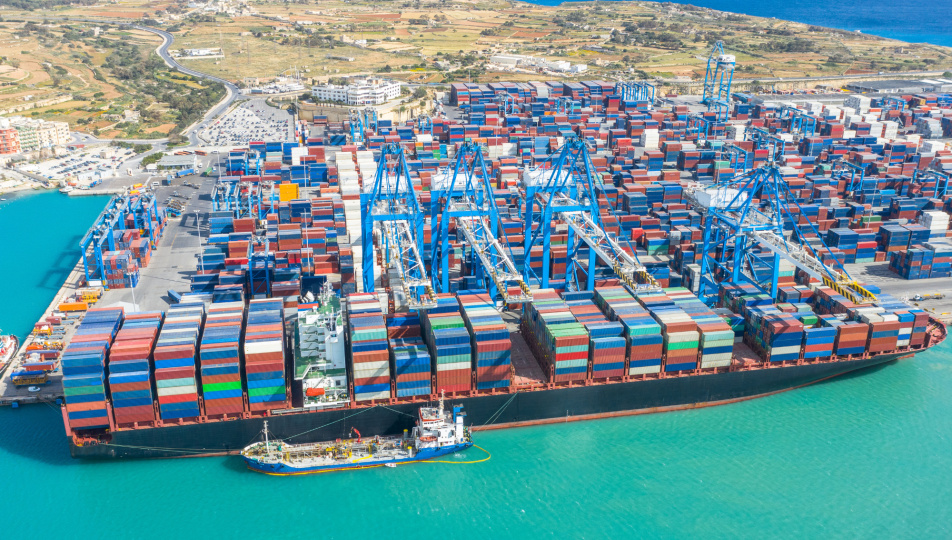
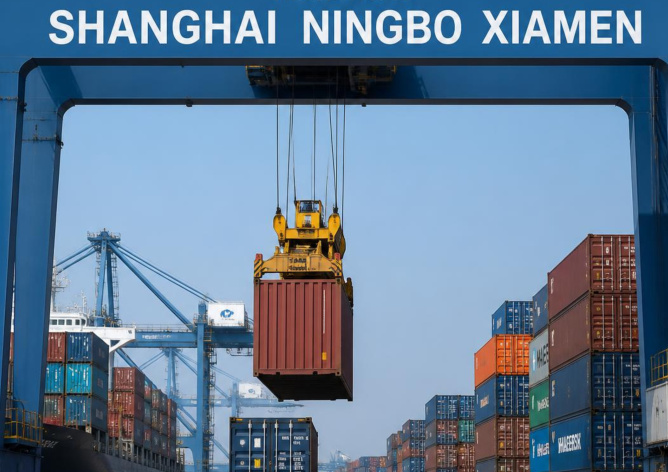
June brings hot days not only outside our windows, but also in the world of logistics. At least in the field of ocean freight from the Far East, the Christmas season—which we mentioned in our last newsletter—is now in full swing, along with the associated battle for space. On top of that, shipping lines are stoking the fire of price competition.
OCEAN TRANSPORT
FAR EAST
Every child knows that Christmas is on December 24. Every logistics professional knows that ships arrive in ports and at sea during the summer. However, with the Suez Canal closed, unreliable services, overcrowded ports, and infrastructure repairs, a new deadline is being set for May instead of the summer months.
And anyone who has been following our newsletter, the shipping lines’ first-quarter results, and “futures” sales of shipping space is not surprised by current developments.
Whether the volume of goods is truly that high, or the situation is being driven by shippers not releasing space on ships and blank sailings or skipping ports, we are witnessing PSS (Peak Season Surcharge) announcements every few days. With this comes a scramble for space during that short period for which prices are already known.
During such periods, we shift from price lists valid for half a month or a full month back to painstaking work. The solutions are clear: roll up your sleeves, renew VIP accounts, and search for space for individual containers. A specific price on a specific vessel for specific cargo. Given that decisions must be made quickly, we recommend not hesitating. It is crucial to have verified data from the shipper—especially the exact date the goods will be ready. A delay by the shipper will reliably undo all the hard work that went into finding a solution, and you’ll have to start over. And with prices currently on the rise, it will also be more expensive.
Shipowners have also dusted off a solution from the COVID era: space/equipment guarantees. Fortunately, prices haven’t yet reached the heights seen back then, making these guarantees a fairly attractive option for those seeking a degree of certainty.
The second half of June, just like the beginning of July, will likely follow a similar trend. And then? You’ll find out in the next newsletter.
INDIAN SUBCONTINENT
The Indian market—specifically India, Bangladesh, and Pakistan—is holding steady in terms of prices, but history and experience tell us that developments in the Far East eventually reach the Indian market as well, with a delay of about two months. The only question is how strongly they will impact it.
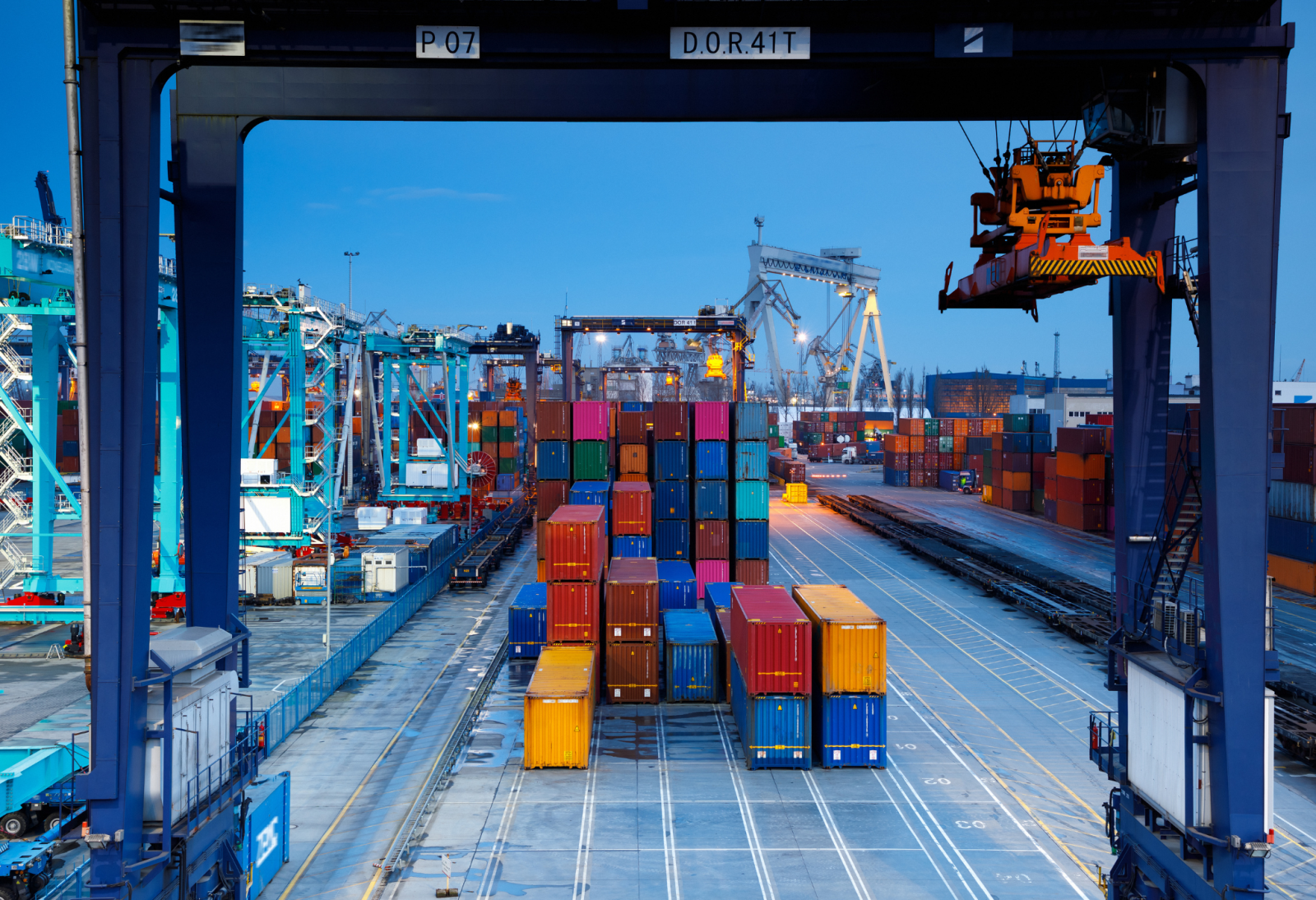
INTERMODAL TRANSPORT
What new information can be reported without repeating the previous grim news? That is a difficult task, as reports from European ports are not improving much.
Last weekend brought several incidents that complicated and slowed down rail traffic in Germany. On Friday afternoon and Sunday, trains were unable to enter or leave the port of Bremerhaven due to an IT system outage. Overnight from Friday to Saturday, a storm front swept across northern Germany, causing trees to fall and damaging overhead power lines in several places. Both international and domestic rail services experienced delays and were—and in some cases still are—held up on an already overburdened rail infrastructure. Overall train and locomotive operations were severely disrupted. The most critical situation is currently in Bremerhaven and around Leipzig.
Near Hamburg, the situation depends heavily on the specific terminal—the worst situation these days is at the CTA terminal. The final blow to this terminal was an accident on May 28, when a locomotive derailed, complicating train departures to inland destinations.
RAIL (AND ROAD) TRANSPORT FROM THE FAR EAST
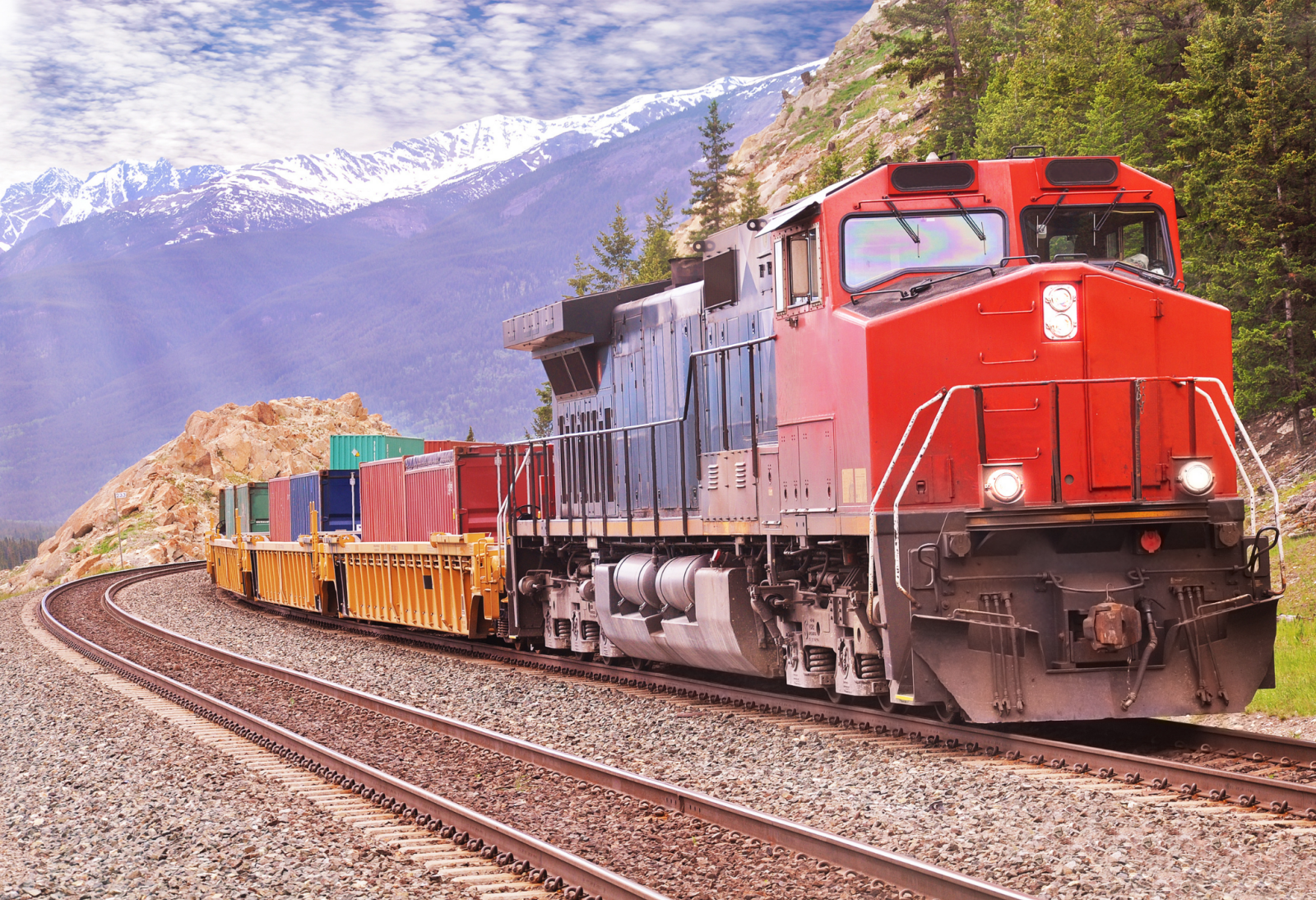
June brought limited capacity on trains, particularly for full container load (FCL) shipments, prompting operators to raise their rates by several hundred dollars compared to May. However, the price jump is not as significant as it is for the ocean freight option. This makes rail transport more price-competitive, although the Christmas season will likely arrive on the tracks a bit later.
Among the available options, the service via Xi’an has long been the most reliable, though the slightly cheaper route via Wuhan now also offers stable, on-time departures. The problem arises at the China-Kazakhstan border. According to our information, Kazakhstan is currently allocating railcars and locomotives to other strategic commodities, resulting in a shortage in the corridor. Because of this, we are seeing delays of 7 to 14 days at border crossings—both at the Dostyk/Alashankou crossing and at the typically slightly faster Khorgos/Altynkol crossing. A second factor is the lengthier customs processes at the same border for goods now requiring e-licenses (particularly electronics and dual-use goods).
Those looking for a faster option but unwilling to pay for air freight can use direct trucking (truck transport) with a transit time of 20–25 days, even for less-than-container-load (LCL) shipments.
AIR TRANSPORT
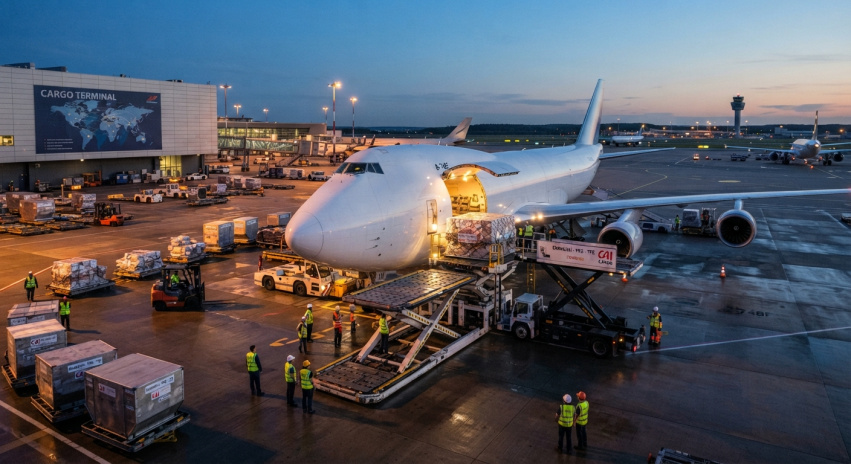
Conversely, as expected, there has been no sign of a post-Christmas lull in air freight imports from the Far East, and rates remain stable. There are even indications that they may begin to decline slightly. The only exception is Taiwan, which has long suffered from a shortage of capacity, and where prices remain at a higher level.
Very attractive offers continue to be available for exports to the Far East, particularly to China. Return flights, which bring massive volumes of goods from Asian e-commerce platforms into the EU, are literally hungry for return cargo and are offering their space at prices importers can only dream of.
U.S. CUSTOMS
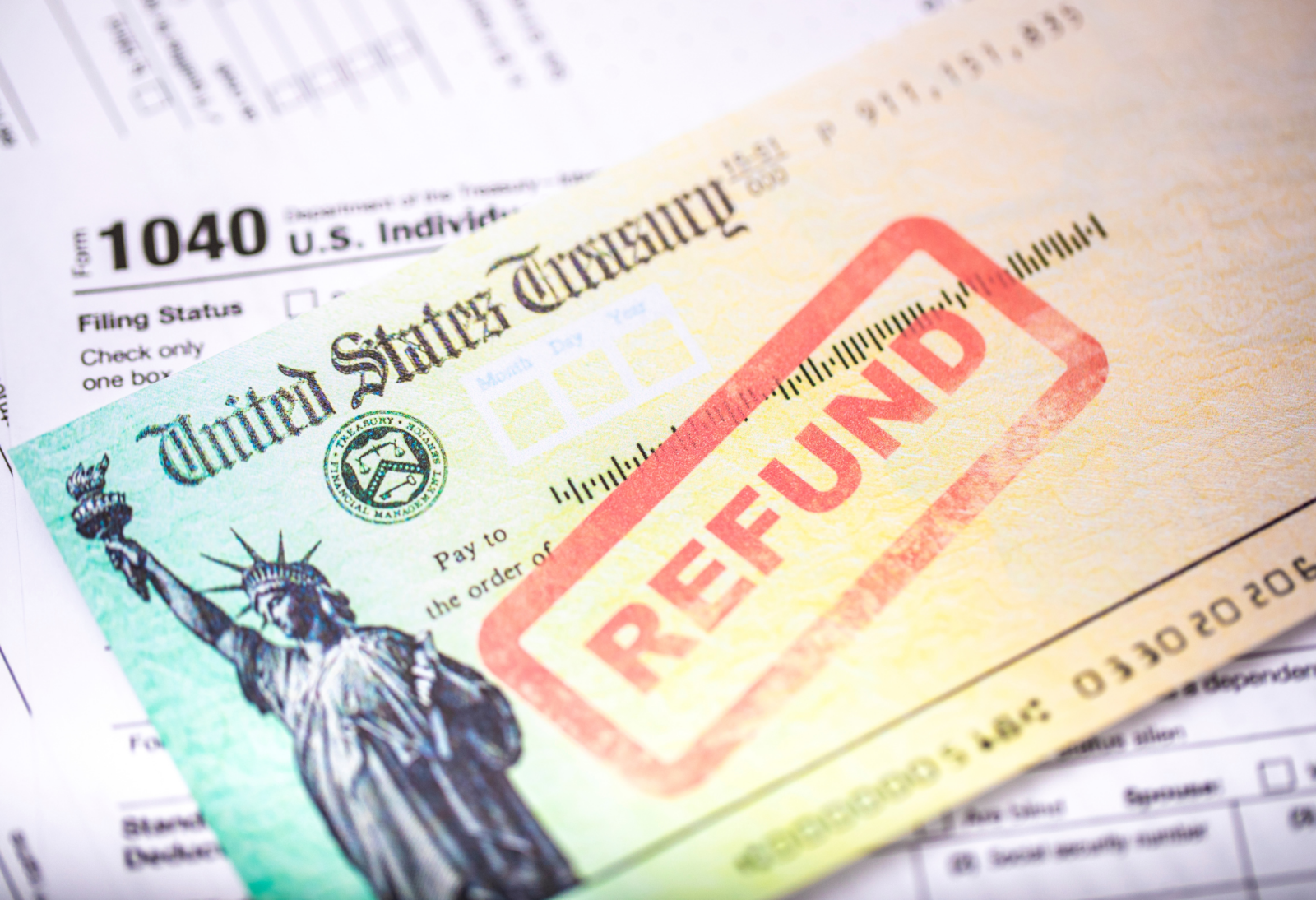
Based on a February ruling by the U.S. Supreme Court, President Trump’s imposition of increased tariffs under the International Emergency Economic Powers Act (IEEPA) was invalidated. The CAPE portal for submitting applications went live on April 20, 2026.
PSA BDP in the U.S. provides this service, and we can assist you with it.
First, you must verify your eligibility here:
- The import included items subject to customs duties that had been waived
- Imports that have not yet been cleared by the customs office or were cleared (i.e., "liquidated") no later than 80 days ago. This is not the date of customs clearance, but the date of liquidation, which can sometimes occur as long as a year later.
Please note that the entire process will take quite a long time. In the case of a non-resident importer of record, it is even more complicated than for U.S. importers.