The EUDR Regulation and the Important Date of December 30, 2026

Effective December 30, 2026, the deferred EU Deforestation Regulation (EUDR) will take effect. For importers, this means one crucial thing: without a due diligence declaration number, customs authorities will not release the goods in question into free circulation.
Does this apply to you and your imports as well?
-
wood and wood products: lumber, boards, plywood, pellets, wood chips, wooden furniture, wooden structures, new pallets and crates imported as separate goods,
-
paper, cardboard, and pulp (Chapters 47 and 48),
-
cocoa and chocolate,
-
coffee (instant coffee effective December 30, 2027),
-
soybeans (beans, meal, oil, oilcake),
-
palm oil and selected chemical derivatives,
-
rubber: natural rubber and certain rubber products, such as new tires,
-
cattle: live animals, meat, and offal.
The customs/HS code is what matters, not what you call the goods. Some products fall under the regulation, others do not, and sometimes a single “ex” in the code makes all the difference. A complete overview of the codes in a single, definitive list is practically nonexistent. As is often the case with similar regulations, you must actively determine for yourself whether it applies to you or not. There are several ways to do this:
Annex I of the regulation on EUR-Lex: The only legally binding list. The original regulation was revised, and some HS codes were removed (e.g., leather). Here is a link to the consolidated version, which should reflect these changes: https://eur-lex.europa.eu/legal-content/EN/TXT/?uri=CELEX%3A02023R1115-20260918
Customs Administration, TARIC CZ application: Enter your specific 10-digit code, and TARIC will show you whether an EUDR certificate is required for that code (C716, or Y-series exemptions, as applicable). This is the most important information for you as an importer, because the customs system makes decisions based on TARIC, not on Annex I, and the Customs Administration itself cites TARIC as the method for incorporating EUDR requirements. The disadvantage is that you have to search by individual codes. Furthermore, according to sources, the EUDR is being incorporated into TARIC on an ongoing basis (the Commission’s latest revision is dated September 23, 2026). https://celnisprava.gov.cz/cz/aplikace/Stranky/taric-cz.aspx

Starting when, and keep an eye out for shipments in transit
The regulation will take effect on December 30, 2026. However, the decisive factor is the date of release for free circulation, not the date the goods were shipped. This means that the EUDR may, in practice, already apply to containers and individual shipments loaded in Asia in late October. It is therefore advisable to handle the documentation sooner rather than later and to take this new regulation into account right from the start of the supply chain.
Only importers who are individuals or micro and small enterprises—and who were already classified as such as of December 31, 2024—are granted a deferral until June 30, 2027. This does not apply to goods that were already covered by the earlier Timber Regulation (EUTR), such as lumber, boards, or pallets.
How does this work in practice? New businesses established after December 31, 2024, are subject to the requirement regardless of size. At the same time, the original EUTR applies to all businesses regardless of size and date of establishment:
-
The EUTR (Regulation No. 995/2010) is an older regulation that applies only to wood. This requirement has been in effect for several years and mandates proof of the legality of the wood’s origin.
-
The EUDR (Regulation 2023/1115) is a new regulation that replaces the EUTR. Additionally, it requires that goods not originate from deforested land and mandates geolocation and declarations within the information system.
What should you do and find out?
What if I don't comply with the regulation?
The most common consequence is probably clear and immediate. The goods are not released, and the shipment gets stuck somewhere. You don’t have the goods, but you’re incurring additional costs for customs warehousing or even demurrage and detention—and as we know, that’s no small expense. In addition, the regulation provides for penalties. Placing goods on the market in violation of the regulation may result in a fine of up to 5 million CZK, and up to 10 million CZK for repeat offenses. For legal entities, the fine may amount to up to 4% of annual turnover in the EU. In addition, the goods may be confiscated, and the entity may be barred from public procurement for up to 12 months.
The eSTONE app and EUDR
Other articles
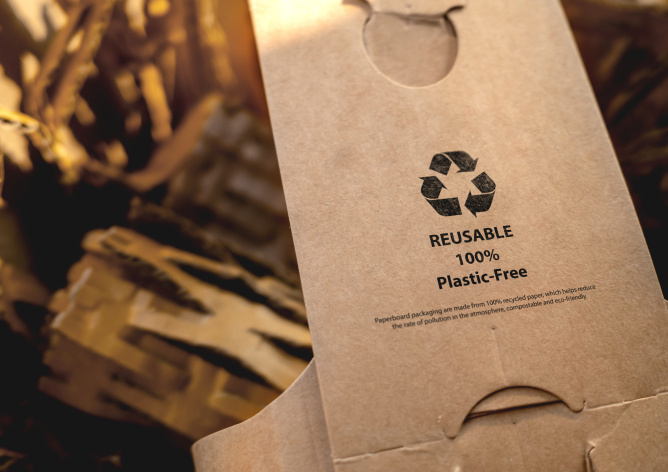
Newsletter 08/2026: New Packaging Requirements: Everything You Need to Know About the PPWR
With the summer months still in full swing, some of you may think of other summer activities (such as packing a suitcase) when the word “packaging” comes up, but for our newsletter and for you, our readers and customers, what matters is the packaging of goods and packaging in general. What have lawmakers in store for us in this regard?

Extraordinary Newsletter 07/2026: Typhoon Saudel—Suspension of Port Operations in China
It is our regret to inform you that, as a result of the new typhoon Saudel, operations at the ports of Shanghai and Ningbo have been suspended as of this afternoon. The port of Xiamen is also expected to be affected. Consequently, there will be corresponding delays in the ships’ schedules.

Newsletter 06/2026: Actual Situation in International Transport
Summer has begun, and with it the vacation season, but there’s certainly no time to rest in international logistics. It wasn’t just hot outside—it was also heating up at sea, particularly in terms of prices. July brought several major legislative and market changes that are significantly reshaping the landscape for all types of transportation. Let’s take a look at them.