Newsletter #27/2024: Port workers strike looming in the US
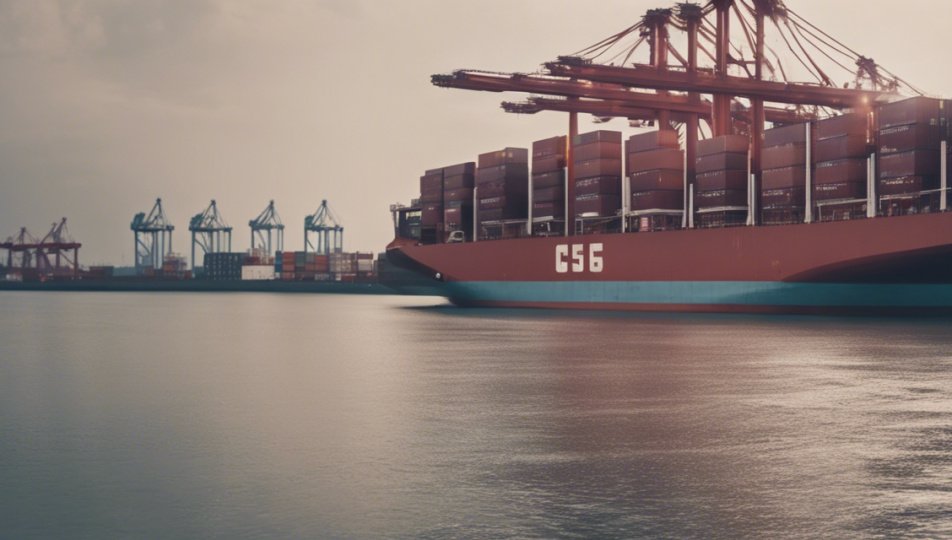
The International Longshoremen's Association (ILA) union unites and represents the interests of 45,000 longshoremen in 36 ports on the East Coast of the USA. The United States Maritime Alliance (USMX) represents ocean carriers (stevedores) and port terminal operators.
Possible strike by dockworkers affiliated to the ILA on 1.10.2024 - summary of current information
Both sides have returned to the bargaining table and are attempting to find a mutually acceptable solution. The union is seeking not only an increase in tariffs (wages) but also guarantees that port terminal operations will not be partially or fully automated. Which can be seen as a paradoxical demand known from the industrial revolution of the early 19th century. The interests of entrepreneurs to increase the productivity and efficiency of production (operations) by means of modern technology and the interests of workers to preserve their jobs are in opposition.
The current contract expires on 30 September and if an acceptable solution cannot be negotiated by then, the ILA intends to go on strike from 1 October.
Analysts at the Sea-Intelligence maritime analysis portal estimate that one day of strike action will cause a delay of another 4-5 days before the backlog of containers is cleared. The effects of a week-long strike in early October would still be negatively felt in mid-November; if the strike lasts two weeks, it would take until the end of 2024 to "clean up" and return to normal.
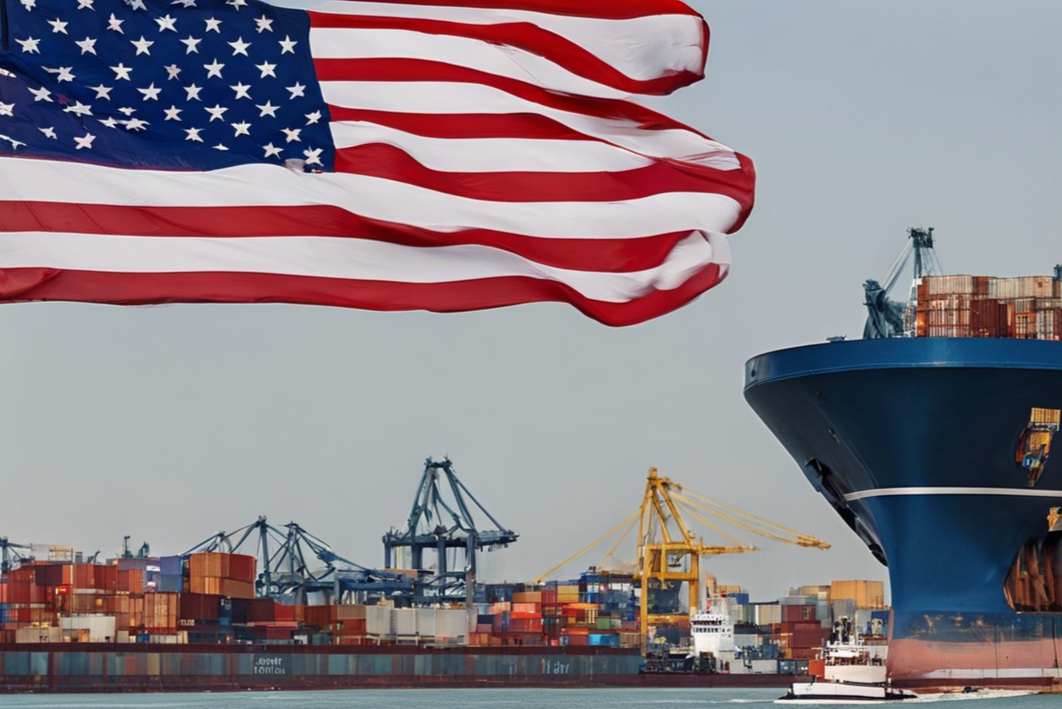
The risk of a strike is still high.
Speculations and arguments for and against a strike are proliferating.
Here is a list of some that believe in a strike:
- The holding of several large and successful strikes in recent times (auto workers' unions, hotel workers' representatives, a short strike by longshoremen in Canada, etc.).
- The unions see rising profits for the stevedores and would like to share fairly in the higher profits
On the other hand, analysts who believe that a strike can be avoided argue as follows:
- The last strike called by the ILA was in 1977 and since then negotiations have always found a solution and a strike has been avoided
- Recent negotiations by the ILWU on the West Coast have continued beyond the date of the declared strike. Work did not stop during the negotiations.
- Part of the workers' pay is dependent on the number of containers shipped. The strike could divert some shipments to other ports or to a completely different routing, even irreversibly. This could result in a reduction in volumes handled with a direct impact on workers' bonuses.
- The strongest argument, which predicts either no strike or a postponement of the strike for several weeks, is political in nature. Organized labor has traditionally sided with the Democrats, and there is concern that a strike could damage the Democratic Party's presidential ticket in the presidential election in early November.
What alternatives can we offer in the event of a strike?
- Air transport - as clearly the most reliable option for a short-term work stoppage at the ports
- Some areas of the U.S. (Great Lakes region, northern East Coast, etc.) can be served through Canadian ports.
- Areas in the western US possibly routed via the ports of Los Angeles/Long Beach
- Areas near Mexico can theoretically be served via the ports of Altamira or Veracruz
- There are also a few ports on the US East Coast that are not part of the ILA and would not be affected by a potential strike - for example Chester, Pennsylvania, which is served from Europe by the cruise ship operator ICL and other smaller cruise ship operators. They will undoubtedly reserve their limited capacity primarily for their long-term customers.
Most analysts agree that a strike will not happen after all. However, we recommend that you take this risk into account and consult with us in good time about your needs for both export and import shipments during the critical period in late September and early October.
Other articles

Newsletter 08/2026: New Packaging Requirements: Everything You Need to Know About the PPWR
With the summer months still in full swing, some of you may think of other summer activities (such as packing a suitcase) when the word “packaging” comes up, but for our newsletter and for you, our readers and customers, what matters is the packaging of goods and packaging in general. What have lawmakers in store for us in this regard?
Extraordinary Newsletter 07/2026: Typhoon Saudel—Suspension of Port Operations in China
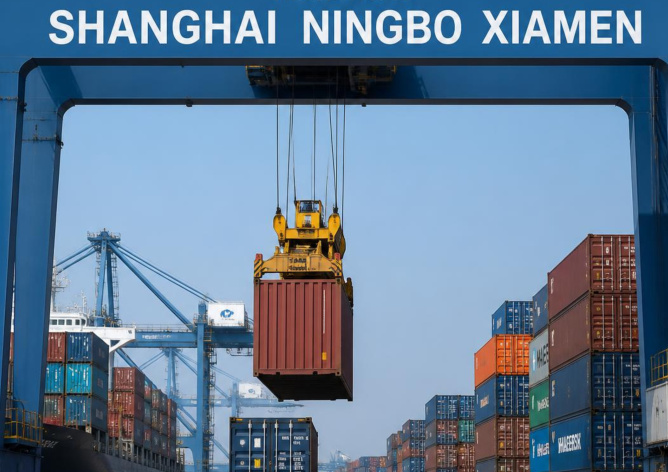
It is our regret to inform you that, as a result of the new typhoon Saudel, operations at the ports of Shanghai and Ningbo have been suspended as of this afternoon. The port of Xiamen is also expected to be affected. Consequently, there will be corresponding delays in the ships’ schedules.
Newsletter 06/2026: Actual Situation in International Transport
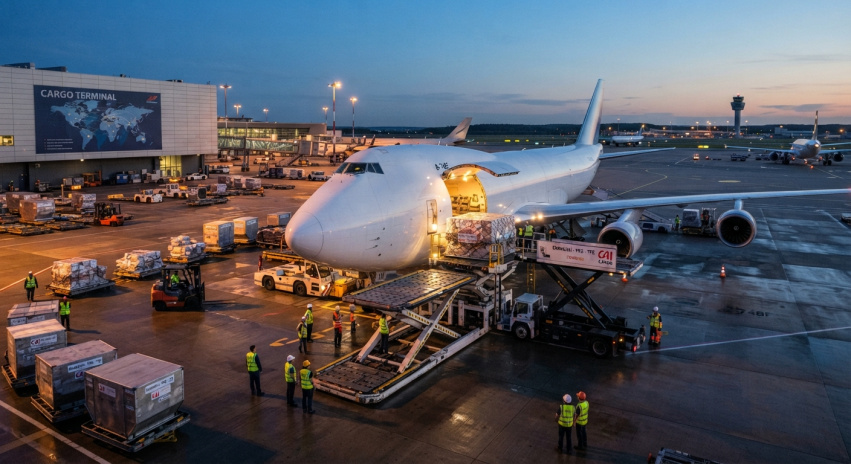
Summer has begun, and with it the vacation season, but there’s certainly no time to rest in international logistics. It wasn’t just hot outside—it was also heating up at sea, particularly in terms of prices. July brought several major legislative and market changes that are significantly reshaping the landscape for all types of transportation. Let’s take a look at them.